



Study on the external costs generated by transport in the alpine corridors
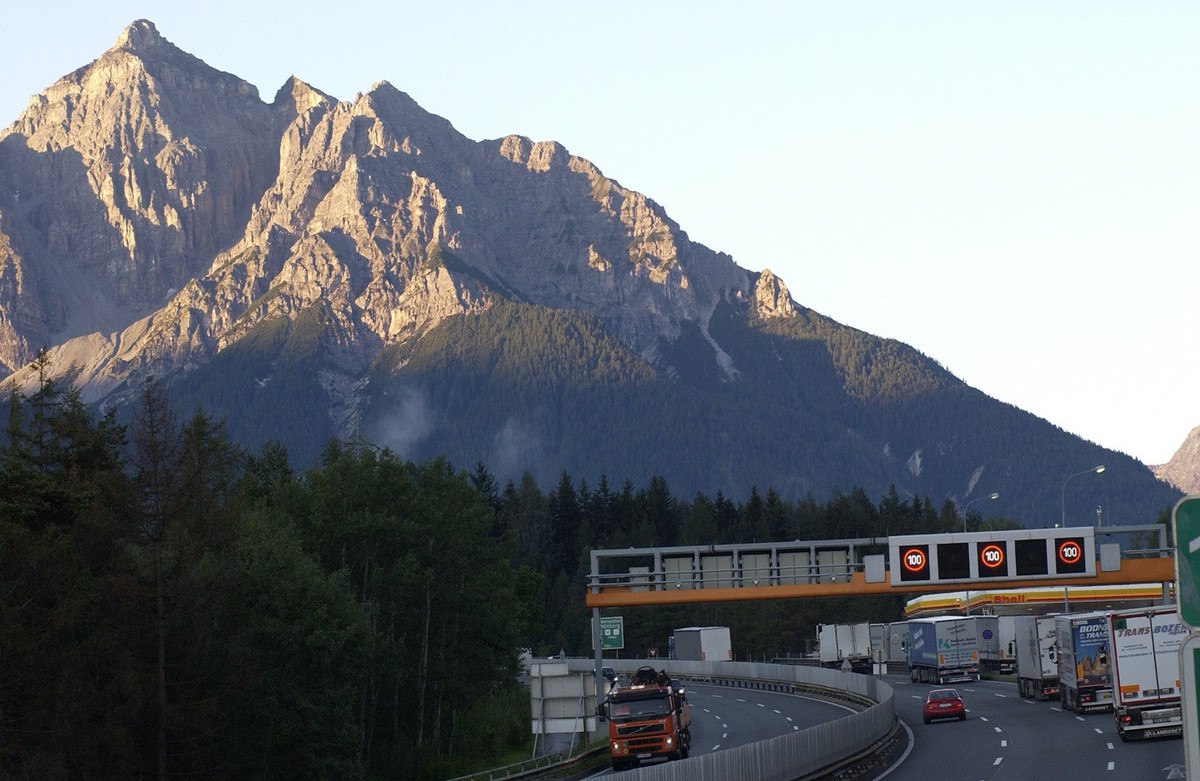
Billions of Euros in external costs highlight need for modal shift and decarbonisation – Insights from new AG4 study
In the mountainous Alpine region, freight and passenger transport cause over-proportional negative effects to the environment and human health compared to low-lying areas. Due to geographical constraints, major traffic flows are channelled through narrow Alpine valleys, where residents are exposed to elevated levels of air pollution, noise, accidents and congestion. Specific meteorological and topographical conditions further amplify these impacts. At the same time, fragile Alpine ecosystems are particularly sensitive to impacts from transport activities. Because most of these impacts are not borne by transport operators and users, they are referred to as “external costs”. European legislation already aims to internalise such costs – for example through the Eurovignette Directive, which enables road pricing elements related to air quality, noise and climate change. Yet, the level of internalisation still remains limited.
To better understand the full extent of these external costs in the sensitive Alpine Region, AG4 Mobility commissioned a study to calculate external costs for the main transalpine corridors. Building on a previous AG4 analysis from 2017 showing that external effects are significantly higher in mountain areas compared to flat terrain, the new study consolidates state-of-the-art European research and applies it to the Alpine context. For the first time, absolute cost values were calculated for each corridor, underlining the urgent need to advance modal shift from road to rail and decarbonization of all transport modes.
Read the full study in English
(pdf - 3.10 MB)